Stop Drips Before They Drown Your Day
Fast Protection You Can Place Anywhere
What Comes In The Box
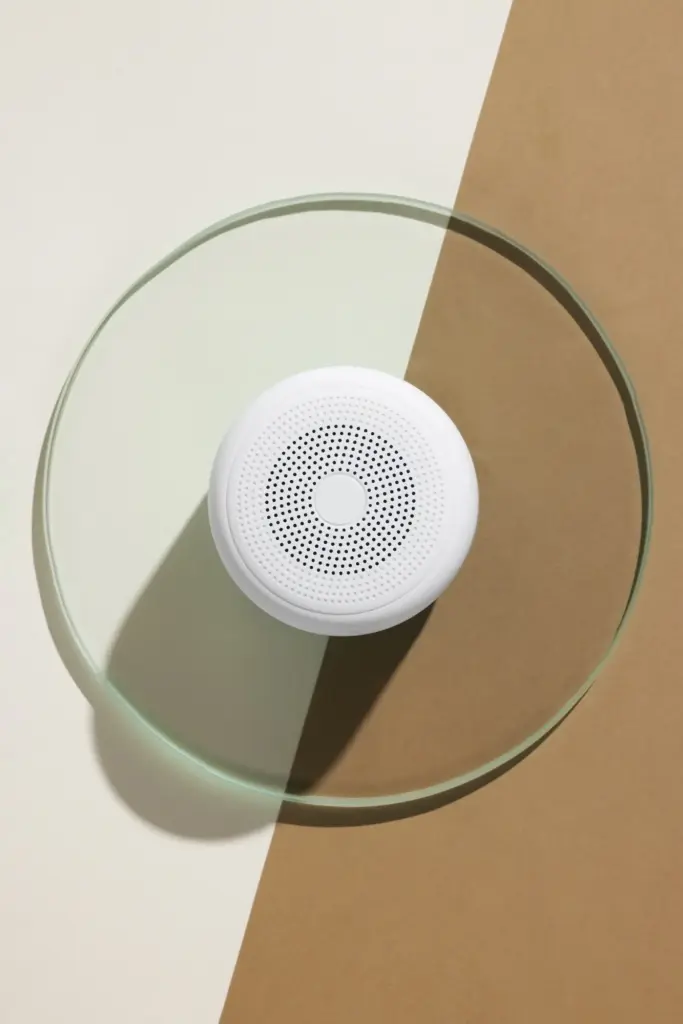
Expect a compact sensor with metal contact points, pre-installed batteries or a pull tab, optional adhesive pads, and a printed quick-start card with a QR to the full manual. Many kits include a test instruction recommending a damp cloth, plus a list of trouble spots. Some add expansion leads or rope sensors for wider coverage, and spare screws for brackets. Everything is designed to be intuitive, forgiving, and renter-friendly, so placement is fast and confidence arrives almost immediately.
Setup Steps That Truly Take Minutes
Open the package, remove the battery tab, and confirm the ready light or beep. Place the unit flat so its contacts touch the floor where a puddle would spread first, or mount near condensate pans with included pads. For smart models, scan the QR code, join Wi‑Fi, name the location, and test with a damp paper towel. You can relocate effortlessly until alerts trigger reliably, refining placement without tools, drying towels, or any commitment you cannot easily undo.
How These Tiny Guardians Detect Moisture
The Science Behind Contact Probes
Rope and Strip Sensors For Long Runs
Sensitivity, False Alarms, and Practical Calibration
Smarter Alerts, Calmer Mornings
Place Them Where Water Loves to Misbehave
01
Kitchens, Dishwashers, and Icemaker Lines
Slide a sensor at the cabinet base near supply valves, nestle one behind the dishwasher kickplate if airflow permits, and position another by the fridge line. Leaks here can soak toe-kicks and wick into hardwood quickly. Consider a rope sensor if your cabinets are continuous. Keep cords tidy so drawers do not snag them. Label each device clearly in the app, and take a quick photo of placement for future reference when you are troubleshooting a mysterious nighttime alert from downstairs.
02
Bathrooms, Laundry Corners, and Quiet Gaps
Tuck sensors behind toilets where little hands cannot reach, and under vanity sink traps near shutoff valves. In laundry spaces, place a unit at the side seam where machine vibrations will not dislodge it. Add a rope sensor around the water heater base to detect early rust-through drips. If you have stacked units, trail the rope along the floor front. Remember that washing machine hoses age silently. Your future self will thank you for placing a sentinel there before the hose burps.
03
Basements, Attics, and Seasonal Risks
Basements hide slow leaks that travel along walls and behind storage totes. Place sensors near foundation cracks, sump pits, and dehumidifiers. Attics with HVAC air handlers or water heaters deserve coverage around drip pans, where condensation sometimes spills. In colder climates, choose units with temperature alerts to warn of freezing pipes near exterior walls. Seasonal checks matter: spring melt, summer storms, and winter holidays all shift risk patterns. Rotating attention with the calendar keeps your safety net quietly effective.
Care, Testing, and Battery Wisdom
Monthly Thirty-Second Test
Cleaning Contacts and Avoiding Mineral Buildup
Battery Choices and Cold-Weather Tips

Real Stories From Readers

Crunching The Numbers
Choosing The Right Form Factor