Stop Drips Before They Drown Your Day

Today we zero in on leak alarms, those small, quick-install guardians that chirp loudly or ping your phone the instant moisture appears under a sink, behind a toilet, or near a water heater. They help you prevent soaked floors, mold, runaway utility bills, and needless water waste. In minutes, you can place them where trouble loves to hide, pair them with an app if you wish, and gain the calm of early warnings that protect homes, rentals, and workplaces without tools, fuss, or drama.

Fast Protection You Can Place Anywhere

Speed is everything when a supply line snaps at 2 a.m. or a silent drip starts under the cabinet. Modern leak alarms arrive ready to work: drop-in batteries, peel-and-stick pads, contact feet, and simple app pairing. Whether you own or rent, you can stage defenses in kitchens, baths, basements, and laundry corners in minutes. The audible siren jolts attention, while connected models send notifications across rooms or across the country, stopping damage before it spirals into soaked drywall, swollen baseboards, and costly repairs.

What Comes In The Box

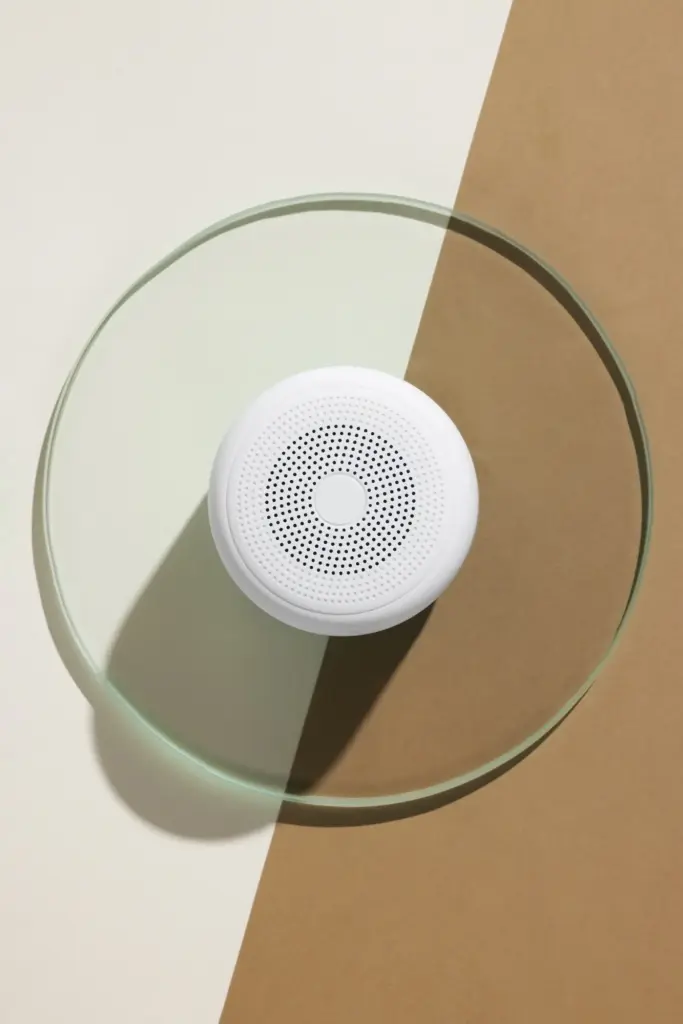
Expect a compact sensor with metal contact points, pre-installed batteries or a pull tab, optional adhesive pads, and a printed quick-start card with a QR to the full manual. Many kits include a test instruction recommending a damp cloth, plus a list of trouble spots. Some add expansion leads or rope sensors for wider coverage, and spare screws for brackets. Everything is designed to be intuitive, forgiving, and renter-friendly, so placement is fast and confidence arrives almost immediately.

Setup Steps That Truly Take Minutes

Open the package, remove the battery tab, and confirm the ready light or beep. Place the unit flat so its contacts touch the floor where a puddle would spread first, or mount near condensate pans with included pads. For smart models, scan the QR code, join Wi‑Fi, name the location, and test with a damp paper towel. You can relocate effortlessly until alerts trigger reliably, refining placement without tools, drying towels, or any commitment you cannot easily undo.
How These Tiny Guardians Detect Moisture

Most units use simple conductivity: two small contacts complete a circuit when water bridges them, triggering a siren and, on connected models, an instant notification. Rope and strip sensors extend this principle across baseboards, beneath appliances, and around water heaters. Some devices monitor temperature to warn of freezing pipes, while premium kits add smart shutoff valves to halt flow automatically. The magic lies in simplicity, reliability, and batteries that last months or years, so they wait patiently until that first life-saving beep.

The Science Behind Contact Probes

Moisture conducts electricity, even minimally. When water touches both contacts on the alarm’s underside, current flows, a signal amplifies, and the siren sounds. Designers tune contact spacing and debouncing to minimize false triggers from humidity or minor splashes. The casing channels puddles toward the feet, while grills protect the internals. Because the mechanism is elegantly simple, costs stay low and longevity high, making it practical to scatter several throughout a home rather than gambling on a single, poorly placed sentinel.

Rope and Strip Sensors For Long Runs

Rope sensors extend sensitivity along feet of cable that can snake behind washing machines, under refrigerators, and around water heaters. When any segment touches water, the alarm trips, creating a perimeter rather than a single point. Adhesive strips work similarly along baseboards, under sink lips, or beside HVAC condensate pans. These options shine where puddles form unpredictably or migrate under flooring. They also help in crawlspaces and sump areas, catching creeping dampness that traditional puck sensors might miss until damage already spreads.

Sensitivity, False Alarms, and Practical Calibration

High sensitivity means earlier warnings, yet the best experience balances responsiveness with sanity. Place sensors where splashes are rare but puddles would naturally collect. Elevate slightly on included feet if occasional mopping is common. Test with a teaspoon of water, then dry thoroughly to confirm reset. If pets or toddlers explore, consider discreet placement or rope leads secured with clips. Many smart apps let you label sensors by room, so when alerts sound, you know precisely where to dash first.

Smarter Alerts, Calmer Mornings

Connected leak alarms pair with Wi‑Fi or a hub to send push notifications, texts, or emails instantly, even when you are away. Integrations with voice assistants announce alerts aloud, while automation platforms can flash lights, pause smart plugs, or ping neighbors with shared access. Granular naming like Bathroom Vanity Left adds clarity under stress. Logs reveal frequency and timing of incidents, aiding plumber conversations. The result is assurance that distance does not equal helplessness, and mornings start without anxiety about unseen puddles.

Place Them Where Water Loves to Misbehave

Strategic placement matters more than brand logos. Under sinks, behind toilets, near dishwashers, beneath refrigerators with icemakers, by washing machines and water heaters, around HVAC condensate pans, near sump pits, and along basement walls are prime candidates. Think like a puddle: where would water pool first, and what path would it take? Avoid placing directly where routine splashes happen. Label each location in your app with simple names. In multi-story homes, start where damage spreads fastest—upstairs bathrooms over living spaces.

01

Kitchens, Dishwashers, and Icemaker Lines

Slide a sensor at the cabinet base near supply valves, nestle one behind the dishwasher kickplate if airflow permits, and position another by the fridge line. Leaks here can soak toe-kicks and wick into hardwood quickly. Consider a rope sensor if your cabinets are continuous. Keep cords tidy so drawers do not snag them. Label each device clearly in the app, and take a quick photo of placement for future reference when you are troubleshooting a mysterious nighttime alert from downstairs.

02

Bathrooms, Laundry Corners, and Quiet Gaps

Tuck sensors behind toilets where little hands cannot reach, and under vanity sink traps near shutoff valves. In laundry spaces, place a unit at the side seam where machine vibrations will not dislodge it. Add a rope sensor around the water heater base to detect early rust-through drips. If you have stacked units, trail the rope along the floor front. Remember that washing machine hoses age silently. Your future self will thank you for placing a sentinel there before the hose burps.

03

Basements, Attics, and Seasonal Risks

Basements hide slow leaks that travel along walls and behind storage totes. Place sensors near foundation cracks, sump pits, and dehumidifiers. Attics with HVAC air handlers or water heaters deserve coverage around drip pans, where condensation sometimes spills. In colder climates, choose units with temperature alerts to warn of freezing pipes near exterior walls. Seasonal checks matter: spring melt, summer storms, and winter holidays all shift risk patterns. Rotating attention with the calendar keeps your safety net quietly effective.

Care, Testing, and Battery Wisdom
Monthly Thirty-Second Test

Set a recurring reminder, grab a paper towel, dampen it, and touch the contacts. Confirm the sound, then silence in the app if connected. Ensure the alert title matches the location you expect. Dry carefully and visually inspect wires or rope segments. Thirty seconds per sensor builds muscle memory, exposes placement issues early, and prevents that odd moment when a real alert arrives but you doubt it. Confidence is earned in small, repeatable steps that become second nature.

Cleaning Contacts and Avoiding Mineral Buildup

Hard water leaves traces that can bridge contacts or reduce sensitivity. Periodically wipe with isopropyl alcohol, then let everything air-dry before returning the unit to service. If your home sees frequent splashes, slightly elevate the device using included feet or a thin plastic shim. Avoid cleaners that leave sticky residue. For rope sensors, inspect the sheath for kinks and replace segments that stiffen. A few mindful minutes prevent puzzling false alerts and keep the alarm crisp, loud, and unmistakably authoritative.

Battery Choices and Cold-Weather Tips

Alkaline cells work well for most interiors, while lithium cells excel in cold environments like unheated basements or garages. Note that extreme cold slows chemical reactions and can shorten alert volume duration. Replace batteries proactively before holidays or long travel. Store spares in a consistent drawer with a label. If a device sits on concrete, consider a thin insulator pad. Keep the habit boring and predictable, because predictability is exactly what you want from a watchful gadget that protects finishes and sanity.

Real Stories From Readers

Elena messaged to say a basement sensor screamed at 6 a.m., catching a failed dehumidifier hose before it reached cardboard boxes of family albums. Marcus shared that a rope sensor around his water heater caught rust weeping months before a catastrophic failure. Priya reported a dishwasher valve drip halted in minutes, with towels instead of contractors. These aren’t miracle tales; they are ordinary mornings salvaged by five-minute setups and a reminder that attention beats luck when water goes wandering.

Crunching The Numbers

Compare the price of a few alarms with one insurance deductible, a single plumber emergency call, or the replacement cost of flooring. Add the hidden costs of time off work, humidity cleanup, and lingering mold odors. Even conservative math shows a rapid payback, especially for upstairs baths and laundry rooms. Factor in saved water from early shutoffs, and the return accelerates. It is rare to find a home improvement that is so inexpensive, minimally invasive, and disproportionately protective.

Choosing The Right Form Factor

Different spaces demand different shapes. Compact puck alarms excel under sinks and behind toilets. Rope kits defend long runs, baseboards, and condensate pans. Smart shutoff valves add muscle by closing water automatically when paired sensors detect trouble. Consider battery life, volume, app reliability, and ease of naming. If you rent, prioritize peel-and-stick and local sirens. If you travel often, pick cloud notifications and shared access. The best setup feels like custom armor that you forgot you ever had to design.
Kiralorivanipalolivo
Privacy Overview

This website uses cookies so that we can provide you with the best user experience possible. Cookie information is stored in your browser and performs functions such as recognising you when you return to our website and helping our team to understand which sections of the website you find most interesting and useful.